Neron _ALP1533 Copy 2 Scaled

Neron

Neron‘s Story

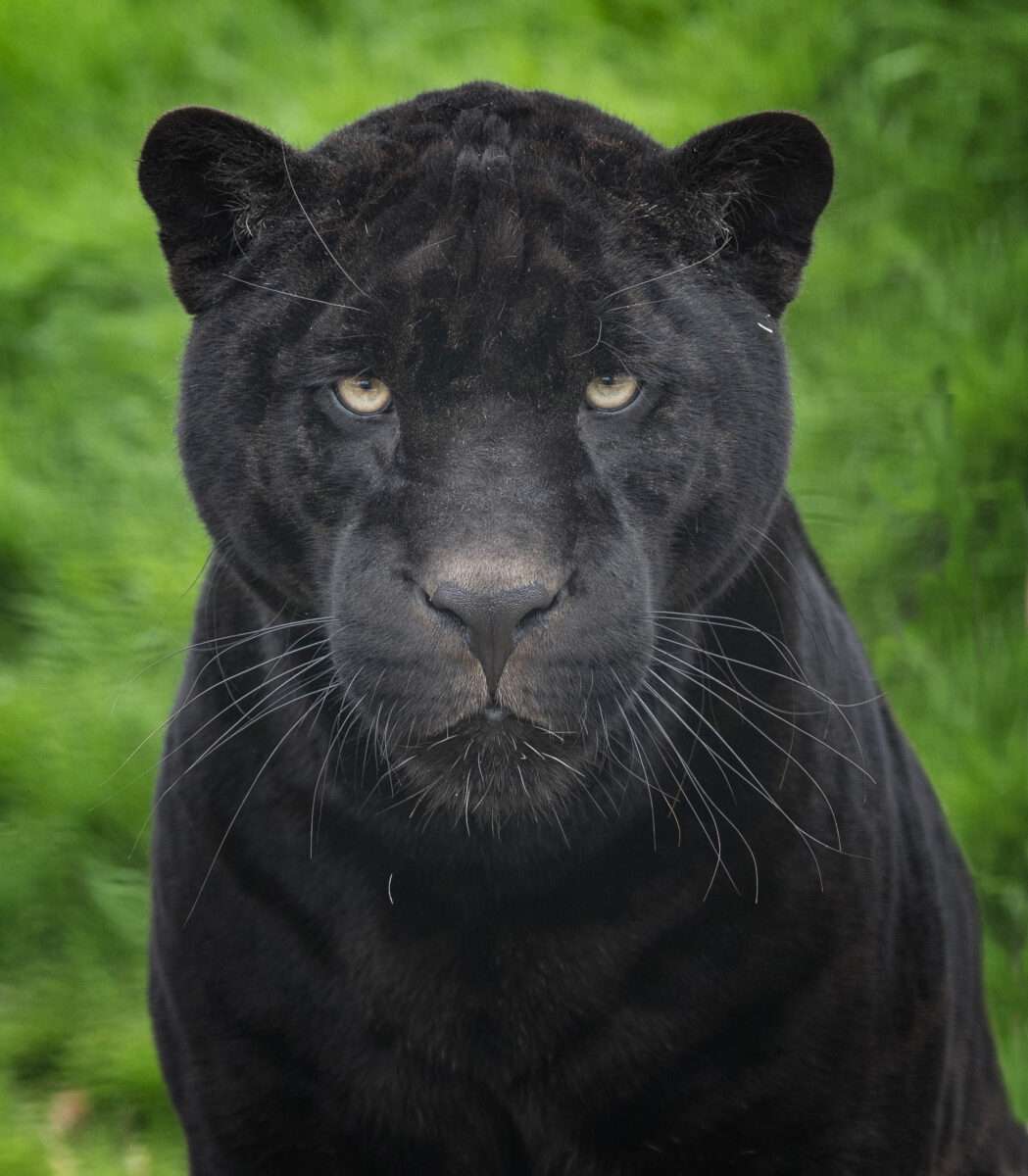
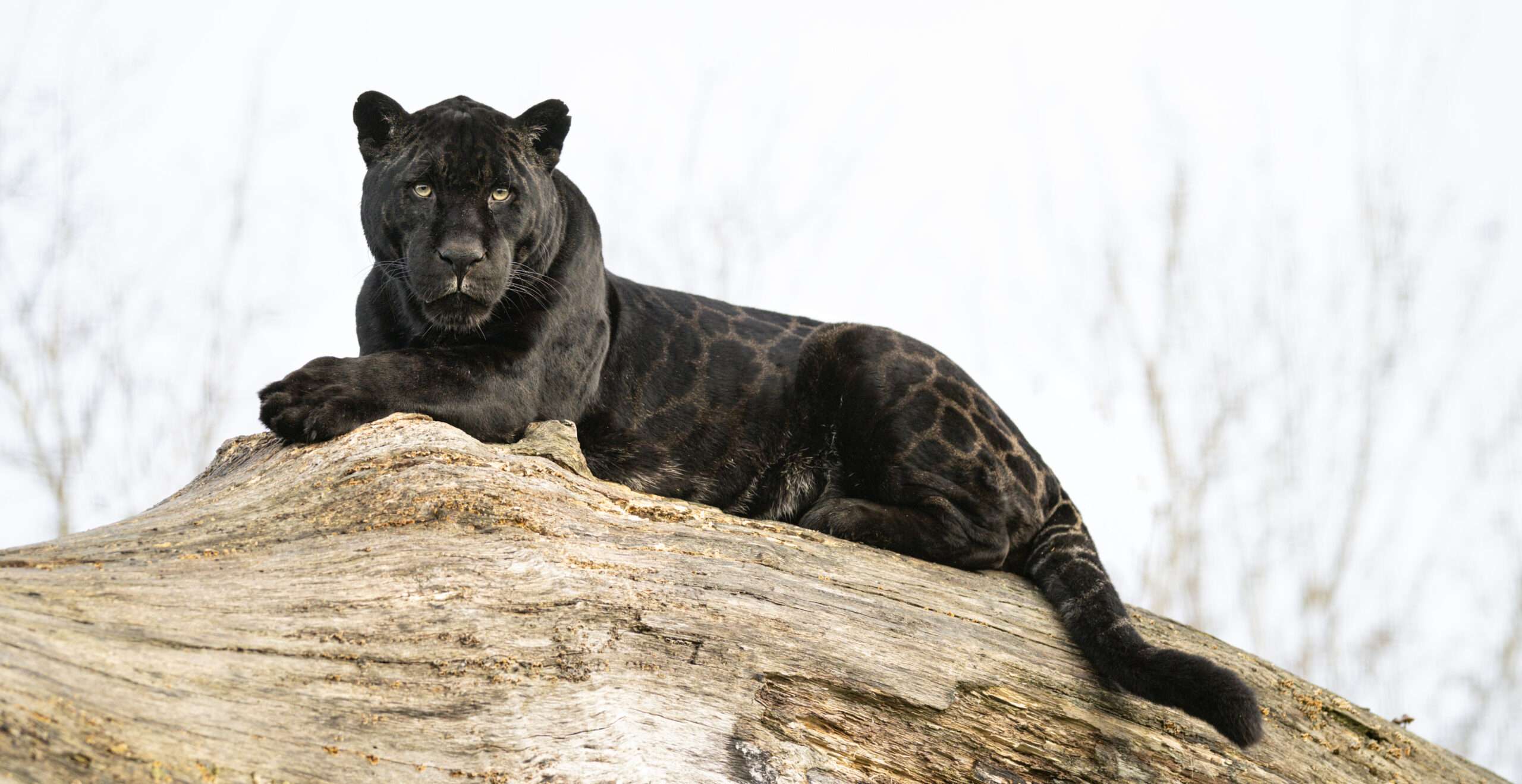
Neron was born at Artis Zoo in Amsterdam on 28 June 2017. He arrived at The Big Cat Sanctuary in November 2018 as part of the coordinated breeding programme, and we were delighted to welcome him.

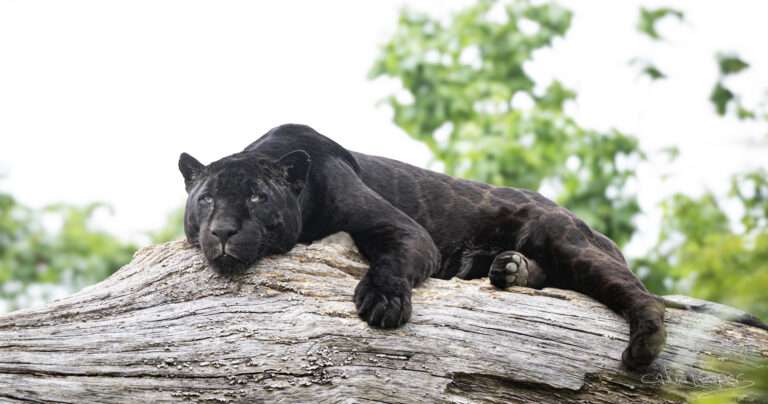
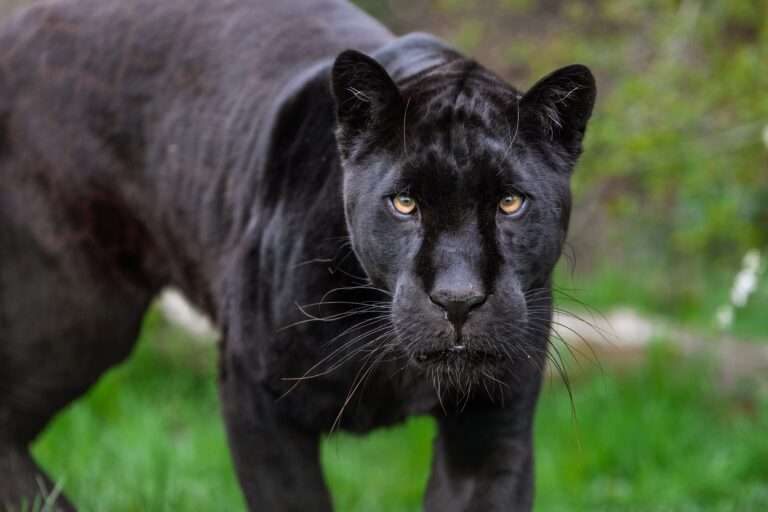
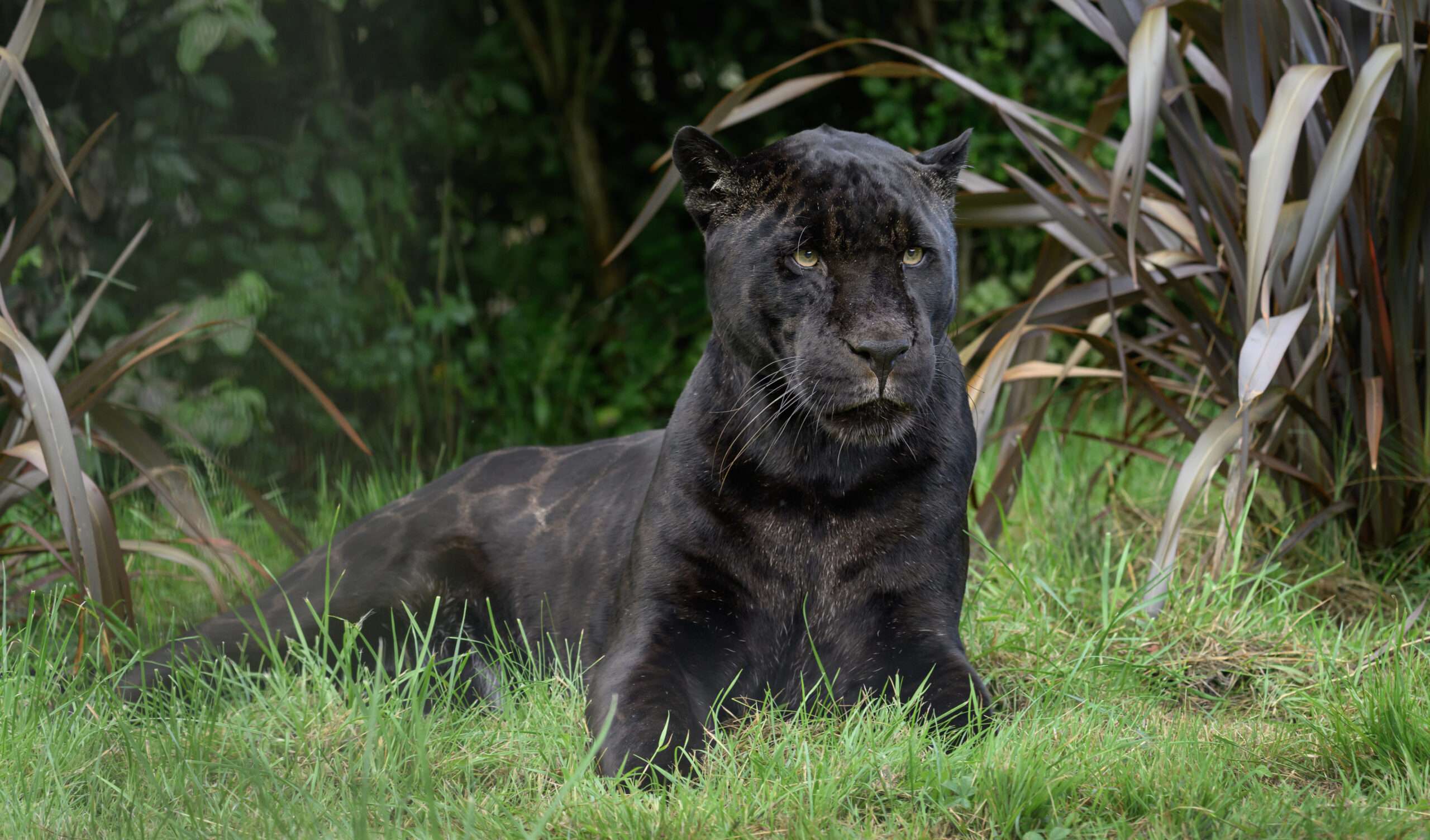
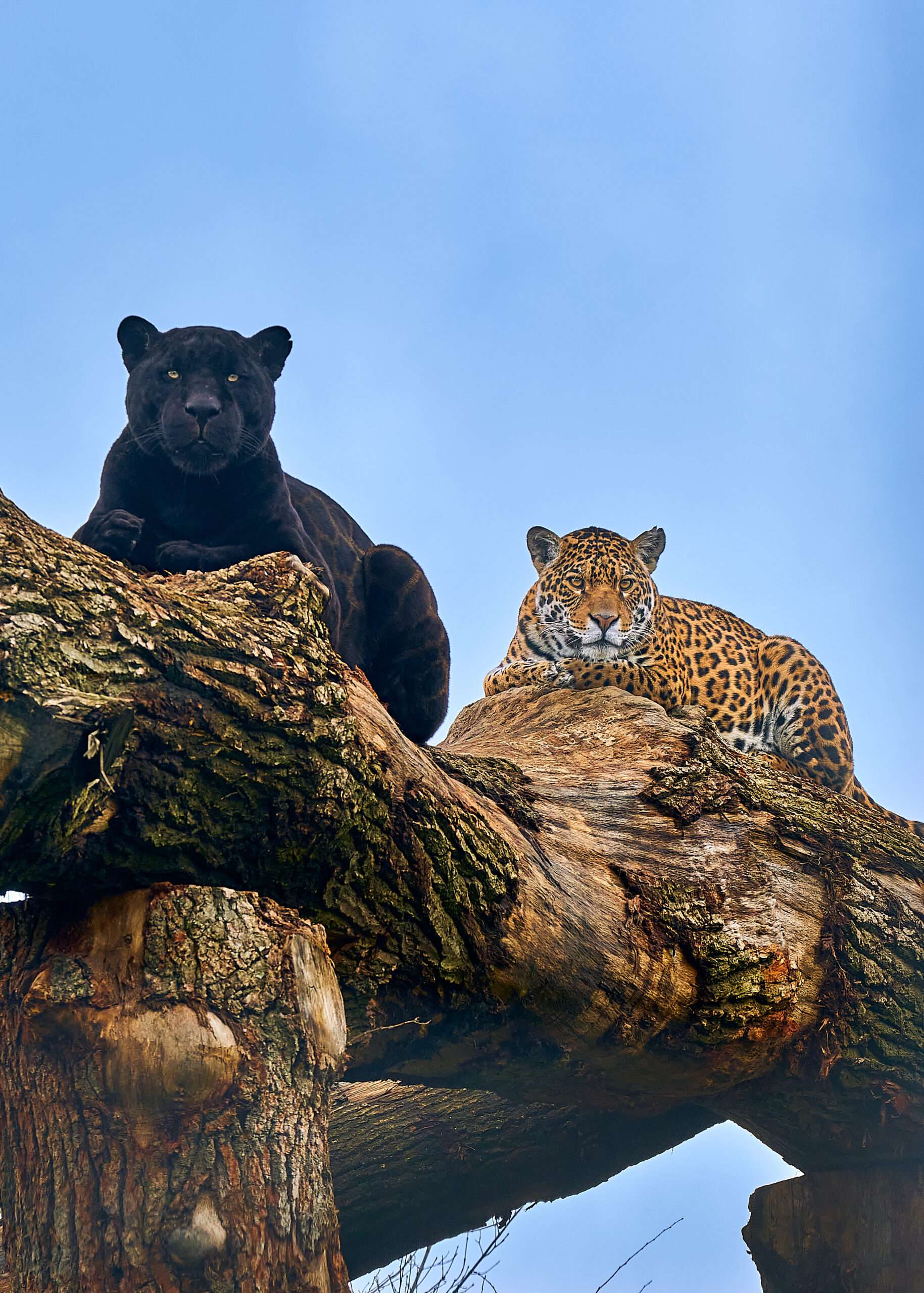
Neron is a melanistic jaguar, meaning his coat is predominantly black due to a naturally occurring genetic mutation. Around one in ten jaguars are melanistic in the wild. Despite his dark colouring, Neron’s distinctive rosette markings can still be seen, particularly in the right light, making his coat especially striking.

When Neron first arrived at the Sanctuary, he was quite shy and took a few weeks to come out of his shell. It soon became clear, however, that he had a gentle nature and a quietly confident personality. Neron takes everything in his stride, but always at his own pace. He is also known for being a particularly chatty jaguar, a trait that has made him a firm favourite with the team.

In December 2019, Neron met Keira, his potential breeding partner, and the pair were eventually introduced to share an enclosure. Their bond developed quickly, and they became inseparable. They could often be seen cuddling and grooming one another, giving the keeping team hope that their relationship might result in cubs.

Their first cub, Inka, was born soon afterwards, making Neron a father. His contribution to the coordinated breeding programme is an important part of supporting the future of jaguars and maintaining genetic diversity within the managed population
Neron 2_ALP6257 Copy Scaled

Adopt Neron

By adopting Neron, you will help fund their day to day care, feeding and enrichments, including veterinary care when required.

Jaguars

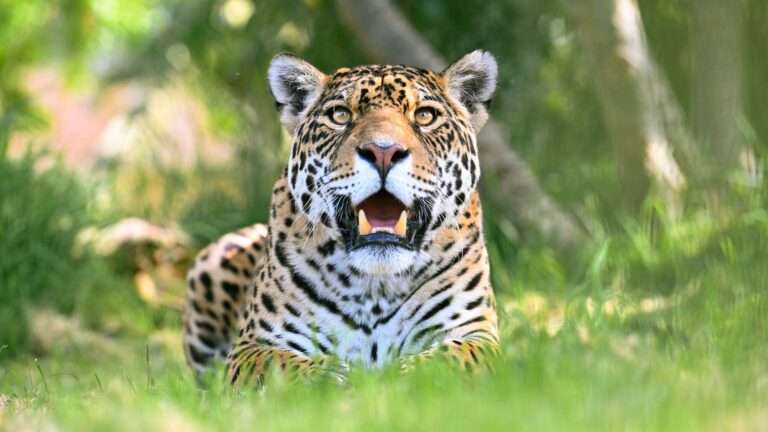
Jaguars are the largest cat species in the Americas and are found across parts of Central and South America. They are powerful, adaptable predators that can live in a variety of habitats, although they are strongly associated with tropical rainforests, wetlands and areas close to rivers. Jaguars are excellent swimmers and climbers, making water and forest environments an important part of their lives.

Known for their incredibly powerful bite, jaguars have the strongest bite of all the big cats relative to their size. Rather than relying solely on a throat bite, they can use their powerful jaws to pierce the skull of their prey. Their muscular build also allows them to drag heavy carcasses, sometimes weighing several times their own body weight, into trees or secluded areas.

Jaguars are primarily solitary, usually coming together only to mate. They hunt a wide variety of prey, including deer, peccaries, caiman, capybara and other smaller animals. Their ability to adapt their hunting techniques and diet makes them important apex predators within their ecosystems.

Jaguars face numerous threats, including habitat loss, deforestation, illegal hunting and conflict with people. Protecting large areas of rainforest and maintaining safe wildlife corridors are essential for their survival. Conservationists are also using tracking and monitoring techniques to better understand jaguar movements, habitat requirements and population health.

Around 10% of jaguars are melanistic, meaning they have a genetic mutation that gives their coat a predominantly black appearance. Their rosettes can still be seen in certain light, creating the striking pattern associated with ‘black panthers’.

IUCN Red List Category - Near Threatened (NT)

No products in the basket.