SIBERIA

Siberia

Siberia‘s Story

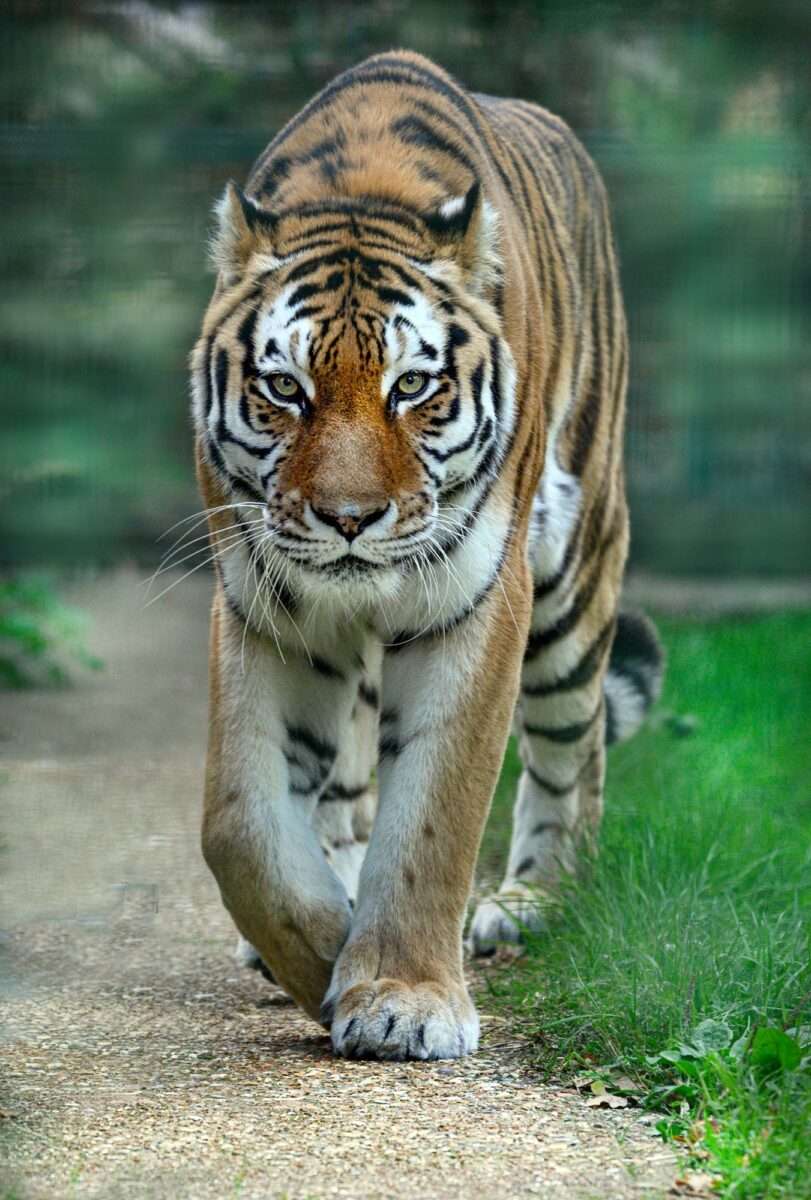
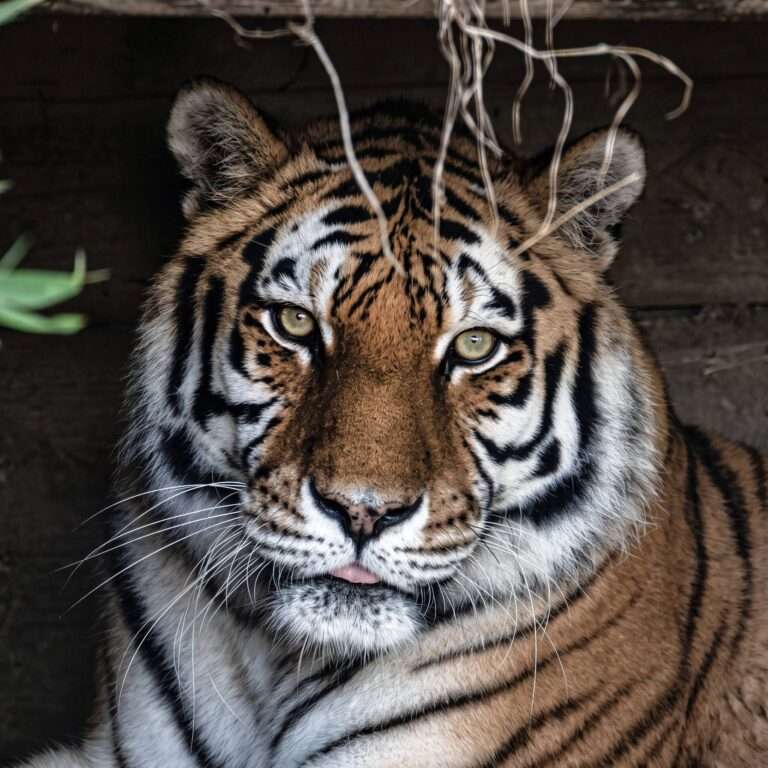
Siberia arrived at The Big Cat Sanctuary in 2026 from Hertfordshire Zoo, joining us for a peaceful retirement where she can enjoy the care, space and specialist attention she deserves.

Siberia is the sister of Amasia, who is also part of the Sanctuary family. Although the sisters now have their own spaces, their connection is an important part of Siberia’s story, and her arrival has brought another familiar face to the Sanctuary.

Siberia is a quiet character who likes to take her time and observe everything happening around her. Since arriving, she has been gradually getting to know her new surroundings and settling into her habitat at her own pace. While she can be reserved, Siberia is also bold and assertive, and her confident personality is beginning to shine through as she becomes more comfortable in her new home.

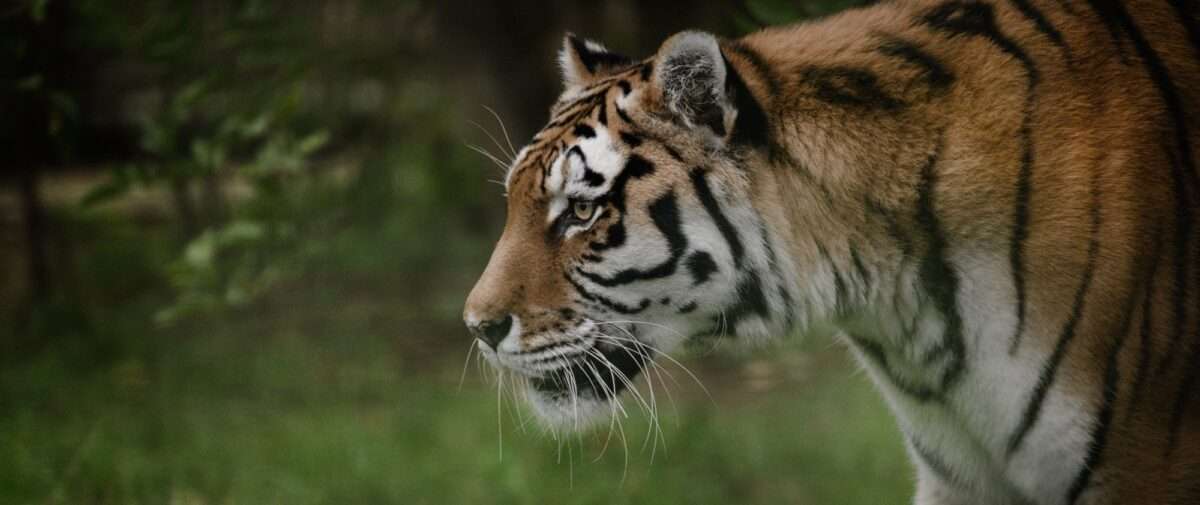
A skilled stalker, Siberia can move almost silently through her surroundings, using her natural camouflage to blend into her habitat before making her move. This natural instinct is a reminder of the remarkable adaptations that make Amur tigers such effective predators.

When it comes to enrichment, Siberia has a particular favourite: cardboard boxes. She loves shredding them into tiny pieces, much to the delight of her keepers, who are then left to clear up the aftermath!

As she continues to settle into Sanctuary life, we look forward to seeing Siberia grow in confidence and make her new habitat her own, enjoying a peaceful retirement surrounded by the specialist care she deserves
Siberia ALP Copy

Adopt Siberia

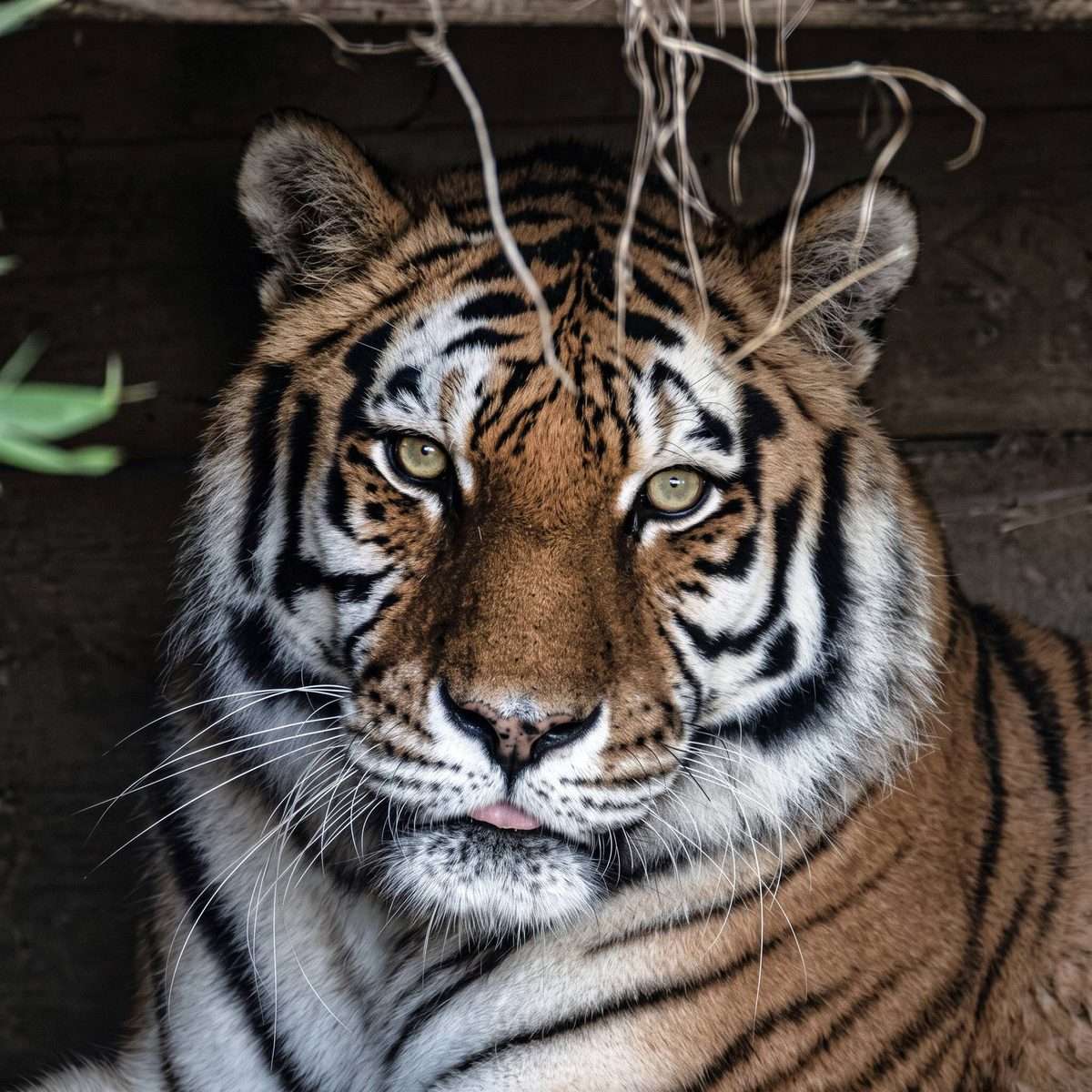
By adopting Siberia, you will help fund their day to day care, feeding and enrichments, including veterinary care when required.

Amur Tigers

Of the five remaining tiger sub-species, the Amur, or Siberian tiger is the largest. Native to the far Eastern Amur Valley in Russia, it is the largest naturally occurring cat in the world. Amur tigers can survive sub-zero temperatures thanks to their thick fur.

Amur tigers have distinguishing features in their coat colour and stripe pattern. They are paler in colour, with a pale orange coat and comparatively wide stripes. In contrast, the Sumatran tiger has a deep orange coat with thin, closely banded stripes. Amur tiger fur is thick and coarse, helping them cope with the extreme variation in temperature in their native range.

Amur tigers inhabit pine forests, where prey is abundant. When food is scarce, they have been known to prey upon young brown bears.

Amur tigers have no specific breeding season and mating can occur year round. Females spend five days with a wandering male but are receptive for only three. Gestation lasts three to three and a half months, after which two to four cubs are born and cared for solely by the female. Female cubs remain with their mother longer than males, who eventually move away to establish their own home ranges.

The main threats to wild Amur tiger populations are habitat loss, poaching for the fur trade, and the use of tiger body parts in traditional medicine. Protecting their habitat and tackling illegal wildlife trade are vital to the future of this magnificent tiger and its wild population.

IUCN Red List Category - Endangered (EN)

No products in the basket.