SHAKA

Shaka

Shaka‘s Story

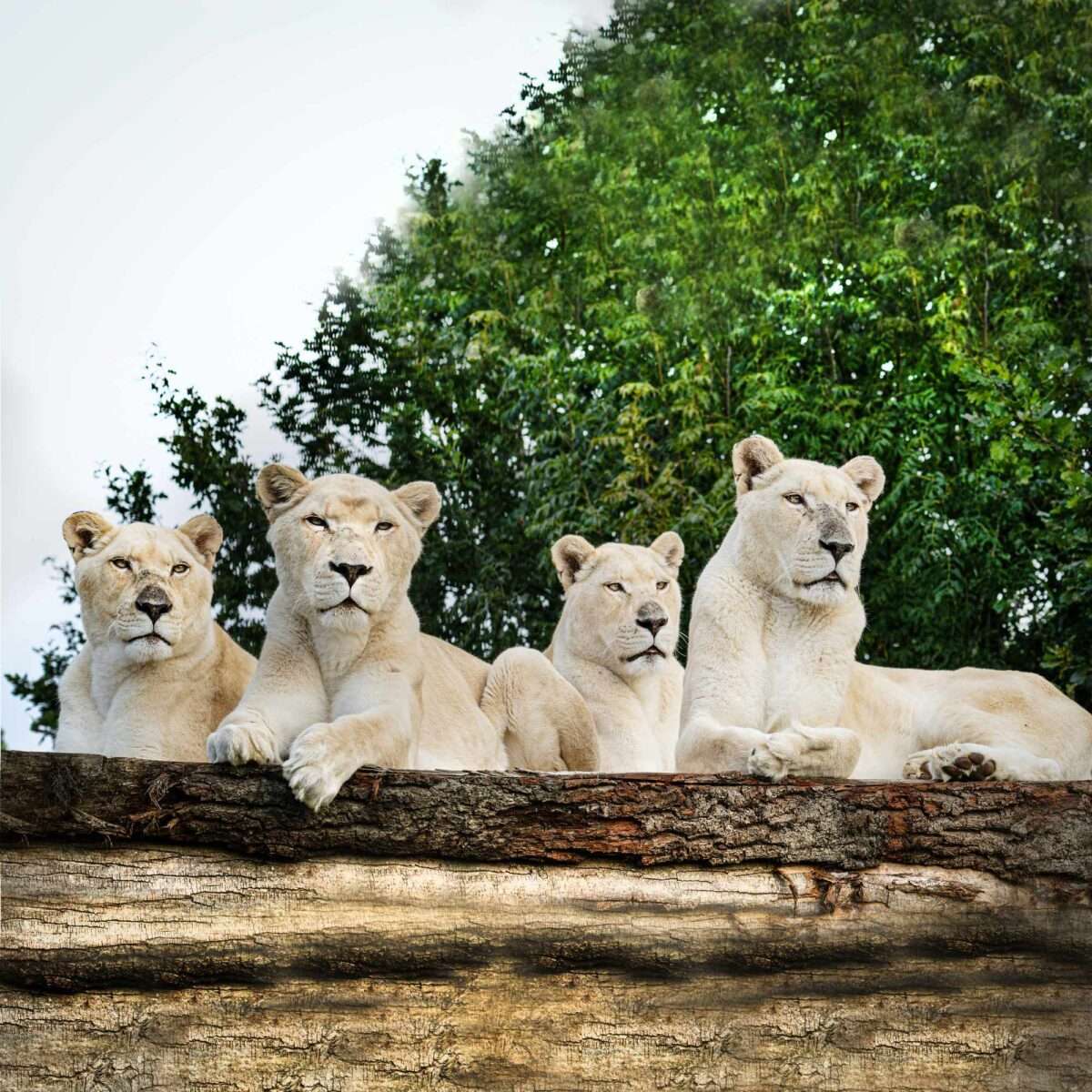
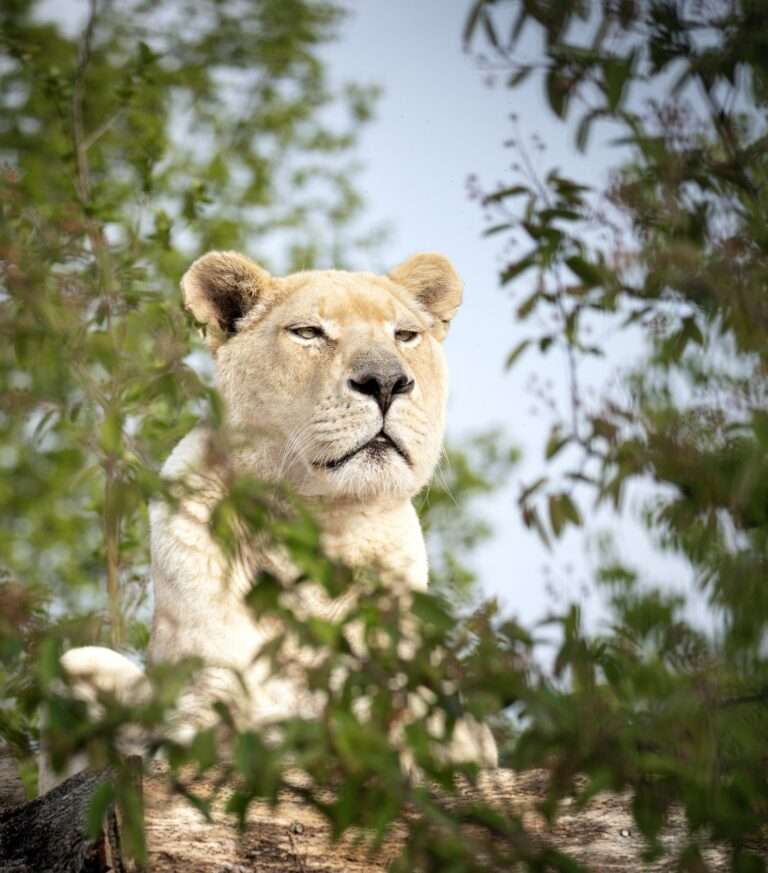
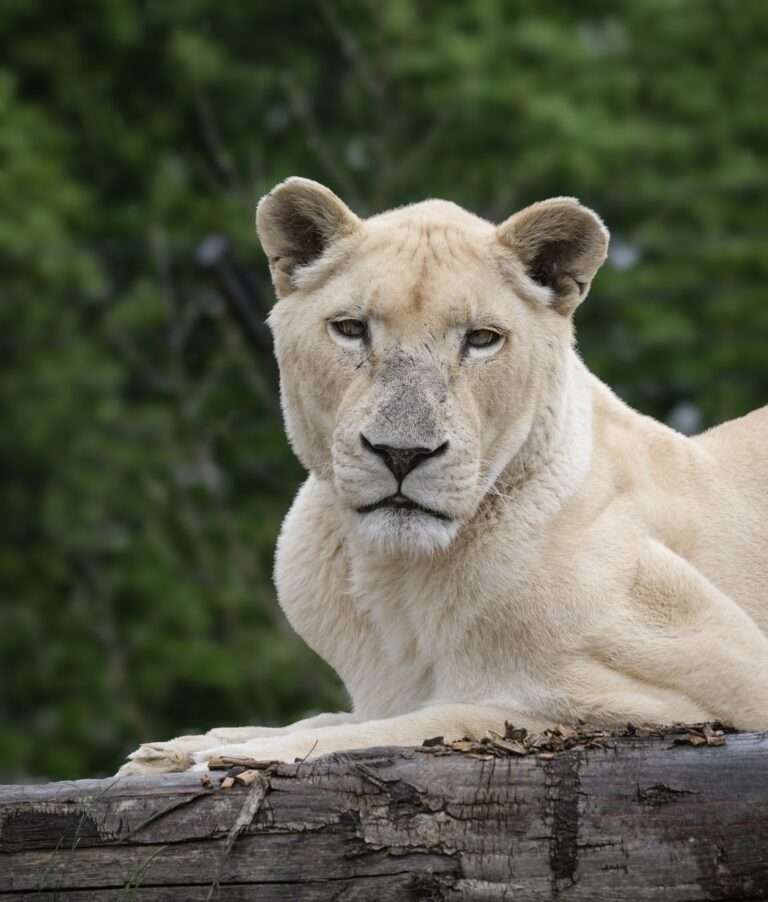
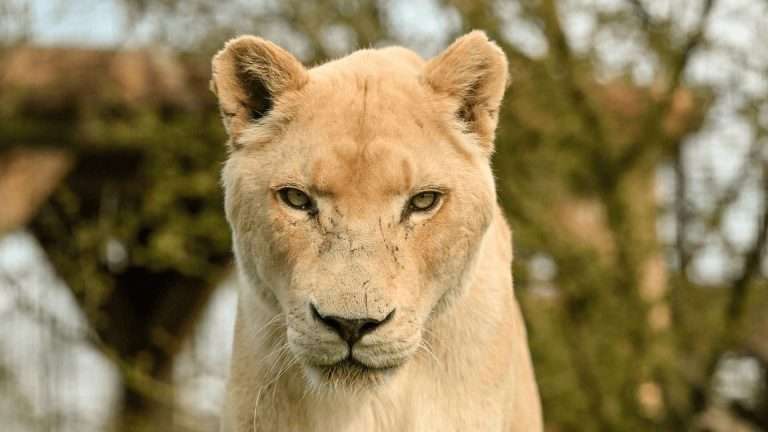
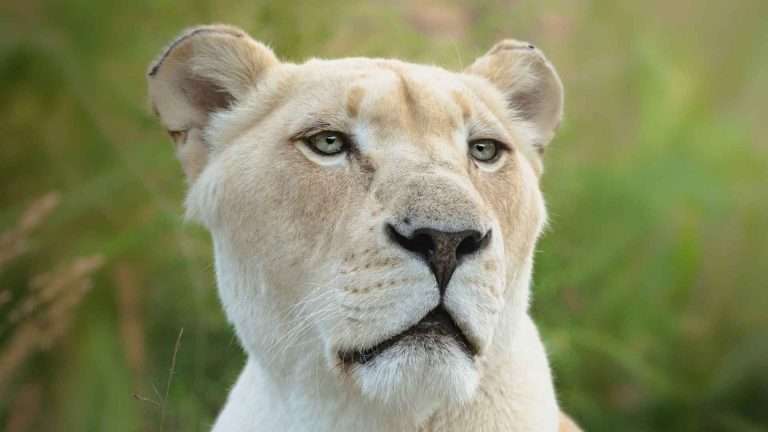
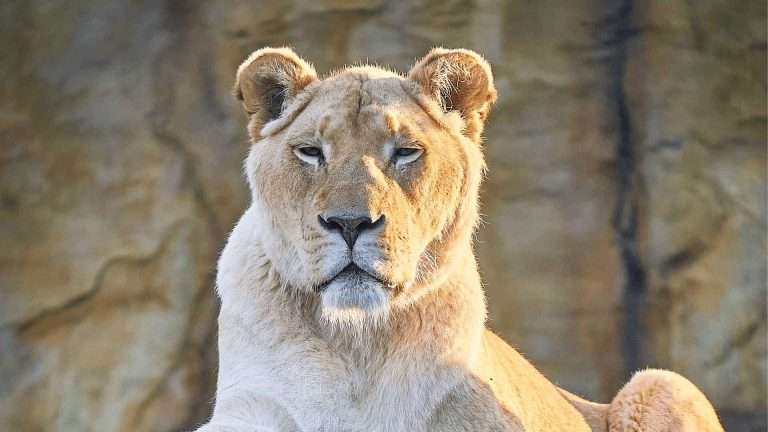
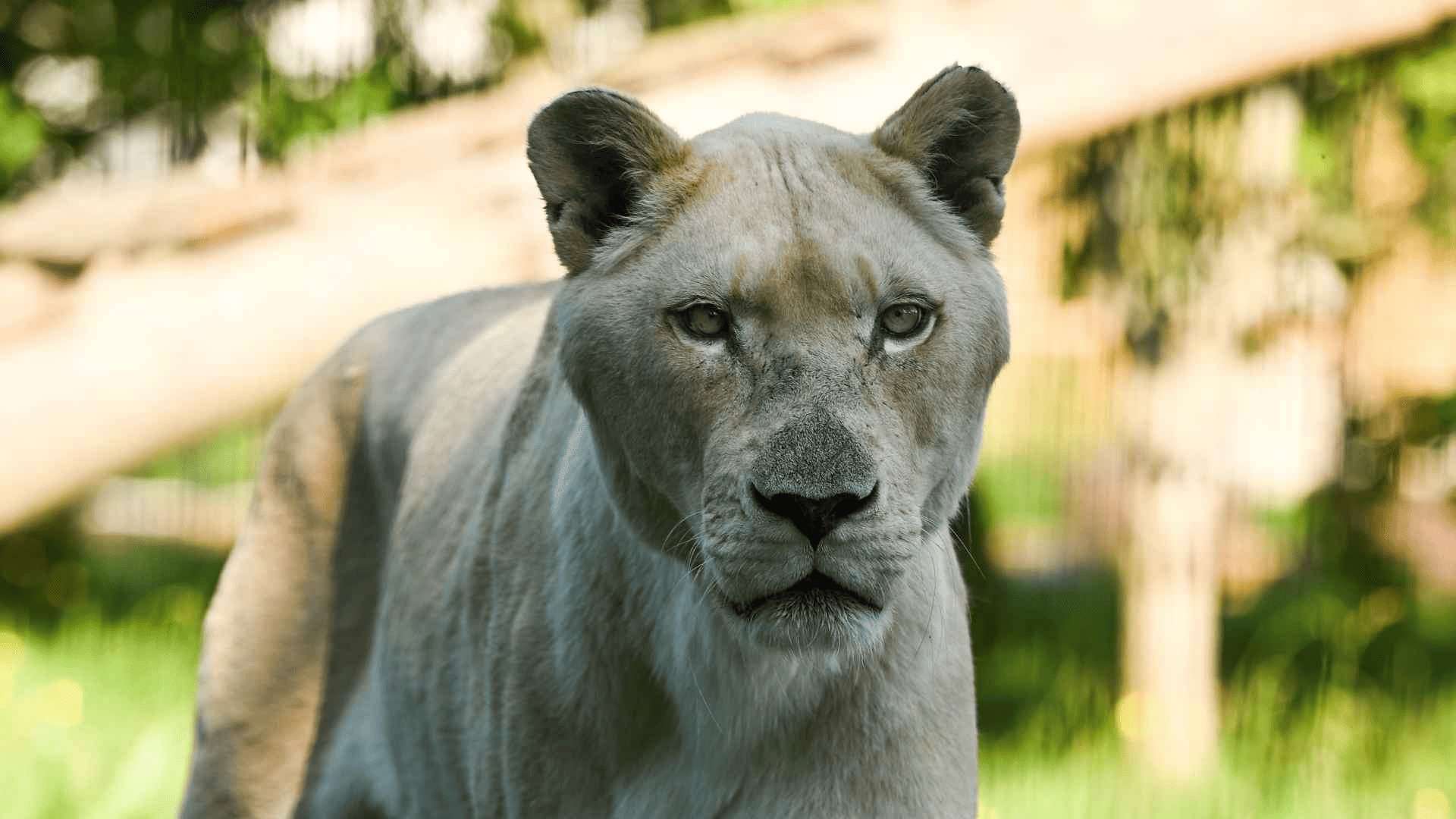
Born at The Big Cat Sanctuary, Shaka is one of the quieter members of our lioness pride. While she may be the least dominant of the sisters, Shaka certainly has a personality of her own. What she lacks in boldness, she more than makes up for with her gentle nature, relaxed attitude and undeniable love of food!

Shaka is the stockiest of the sisters and has a wonderfully laid-back approach to life. She is rarely in a hurry to be at the front of the action, preferring instead to let her sisters take the lead while she watches from nearby. Her calm and easy-going nature means she is often happy to sit back and observe what is happening around her.

When she isn’t keeping a quiet eye on the pride, Shaka can usually be found close to the lions she feels most comfortable with. She shares a particularly close bond with her twin sister, Sabi, and the pair are often seen together. She also enjoys spending time with her half-sister, Nuru, and can often be found snuggled up beside her.

Although Shaka may not always be the first lioness to make her presence known, she is never far away. Her gentle character gives her a special place within the pride, and her sisters appear to appreciate her calm companionship.

Of course, Shaka has one thing that can always get her attention: food! Her love of a good meal is well known, and she is more than happy to make sure she doesn’t miss out when food is on offer..
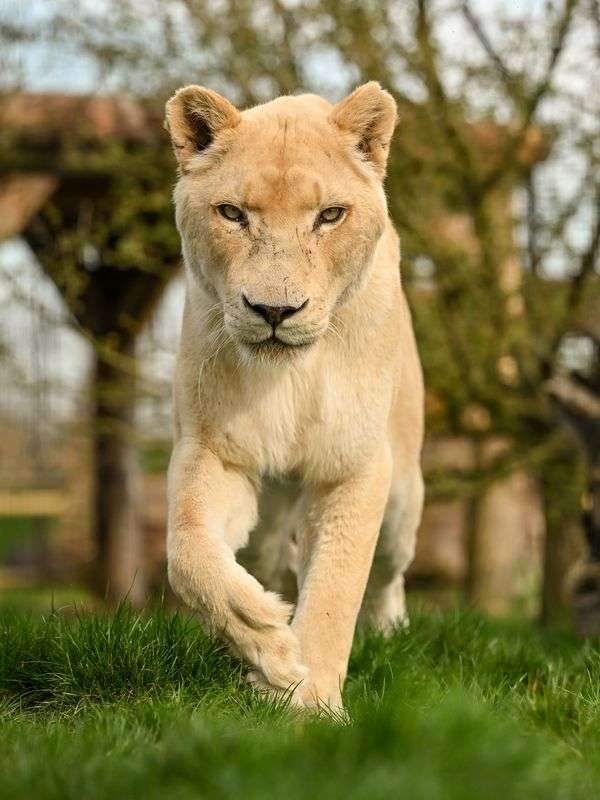
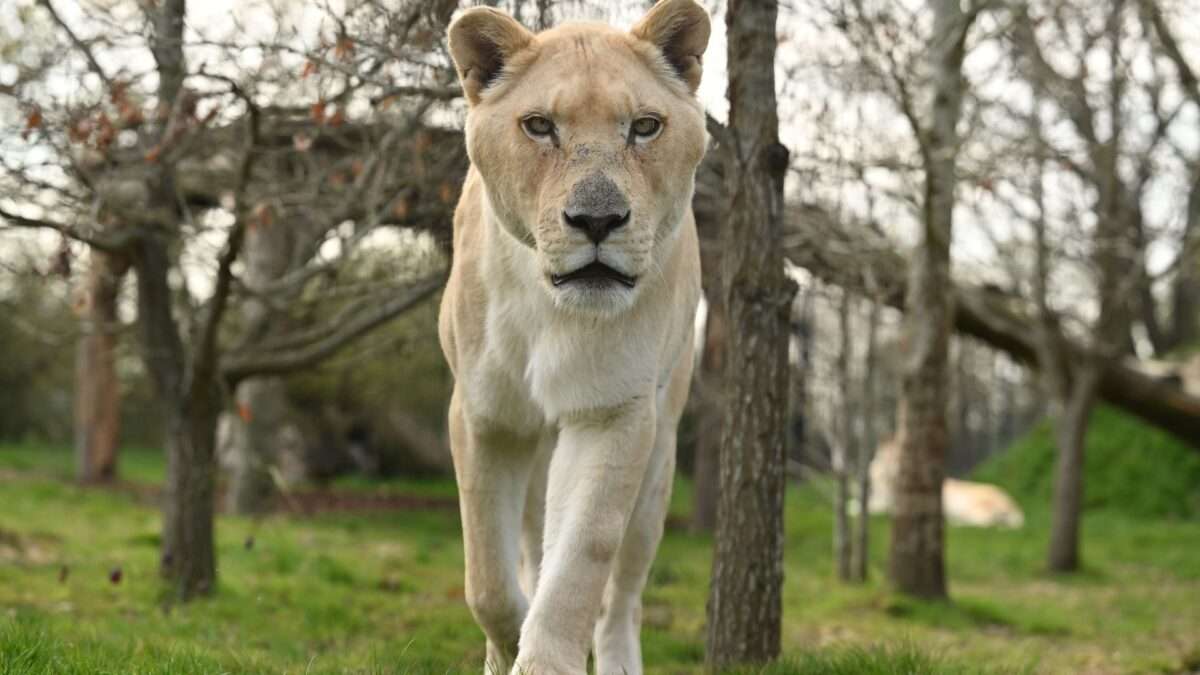
Shaka_DSC_1981_portrait_thumbnail

Adopt Shaka

By adopting Shaka, you will help fund their day to day care, feeding and enrichments, including veterinary care when required.

White Lions

White lions are a rare colour variation of the African lion, historically associated with the Timbavati region of South Africa, near Kruger National Park. Their distinctive pale coats are caused by leucism, a genetic condition that reduces pigmentation. Unlike albinism, leucism does not remove all pigment, so white lions typically retain their natural-coloured eyes.

Despite their striking appearance, white lions are not a separate subspecies. They belong to the same species as tawny-coloured African lions and can occur naturally within the same populations. Their pale coats may provide some camouflage among the light-coloured grasses and sandy landscapes of their native region, although this advantage depends on the environment.

White lions have featured in African folklore for generations. In some traditional stories, their appearance is considered a symbol of hope, renewal and good fortune. However, their rarity has also made them targets for trophy hunting and exploitation, highlighting the importance of responsible wildlife conservation.

African lions are the only truly social big cats, living in family groups known as prides. Most wild lions live in sub-Saharan Africa, where they inhabit grasslands, savannahs and open woodland.

Lions are powerful predators, typically hunting medium-sized animals such as wildebeest, zebra and antelope. They may also tackle larger prey, including buffalo, when circumstances allow. While females usually undertake much of the hunting, males play an important role in defending the pride and its territory.

Sadly, African lions face growing threats from habitat loss, human–wildlife conflict and illegal hunting. Their populations have declined dramatically over the past century, making conservation efforts essential.

IUCN Red List Category - Vulnerable (VU)

No products in the basket.